Civil War 1861 - 1865

How do people's interpretations of past events shape the future?
How did the various interpretations of the Civil War's outbreak influence its outcome, as well as post-war events?
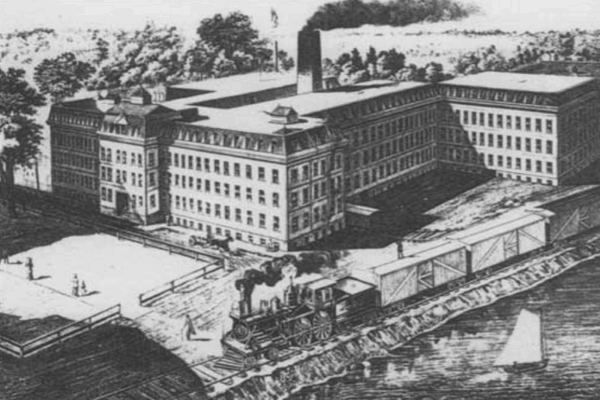
Union North
(example: Vietnam War, 9/11 - varying interpretations)
The Outbreak of Civil War in 1861
Union North
- Industrial - factories
- utilizing free wage labor (people working for wages)
Confederate South
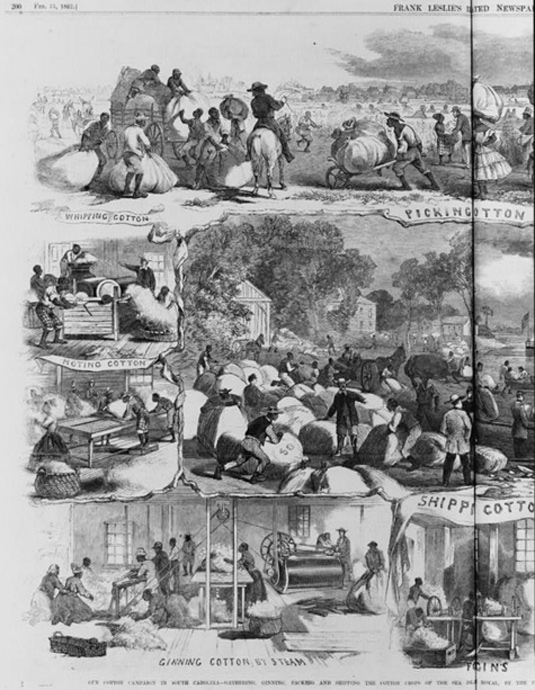
- Agrarian - agriculture
- Southern cotton was a primary export for the US (roughly 1/2 of GPD 1830)
- utilizing unfree save labor
The Dividing Question
Should this new territory (gained from the US/Mexico War) allow or prohibit slavery?
Utah, Arizona, New Mexico, Texas, California
Civil War End - marked a profound change in the US
- 4 million Slaves of African descent
- What accounts for this high number, if the transatlantic slave trade was abolished in 1808?
- 1808 - end of the transatlantic slave trade
- in 1788 - agreed south could keep its slaves but in 20 years end the slave trade
- 1808 - (20 years later) end acquiring slaves abroad
- 'Racialized Slavery"
- inherited as a social status among persons of African descent
- children of slaves inherit the social status of their parents
- became a law - Partus sequitur ventrem
- It becomes "naturalized" that Blackness = Slavery to colonists/early US
Question:
Was the primary reason for the outbreak of war in 1861 due to Northern demand that slaves be emancipated?
- the answer is no
- It was political - it was a succession - the south succeeds from the greater union
- Lincoln goes to war for a political reason - to prevent the break of the union
- Emancipation Proclamation - enacted in 1863
- Waited two2 years to enact it
- In the early part of the war - offered to pardon the Confederates
- offered pardon & continued slavery if they ended the succession
- would have been the 13th amendment if it would have been passed
- Lincoln interpreted the outbreak of the Civil War as a political problem, not a moral one
- never recognized the South as a nation
- saw it as unconstitutional
Lincoln - The Meaning of the Civil War
- The outbreak of war by 1861 - a moral imperative or eradicating slavery? Or a political move to prevent southern secession?
- Lincoln's primary reason was to prevent secession
- South believed Lincoln threatened Slavery
- The Emancipation Proclamation in 1863 - was Lincoln primarily moved by moral reasons, or by pragmatic ones?
- was not put into effect until Jan 1863 (2 years into the war)
- Did not issue it right away
African Americans - Civil War interpretation
How did African Americans interpret the meaning of the Civil War?
- African American slaves interpreted that the meaning of the Civil War was to free the slaves
- According to Han a drastic misinterpretation
How did this contribute to the outcome of the war itself?
Emancipation Proclimation
- Freed slaves - several thousand slaves in the borderlands (near Maryland)
- Confederates had their own President so it did not free slaves in the southern states.
Black "Agency"
- agency - a philosophical belief that human beings, by virtue of the exercise of free will, have the ability to shape the course of his/her life
- (Downplays external or structural factors in shaping outcome)
- How did African Americans "free themselves"?
- How did Black Agency decisively contribute to the end of institutional slavery?
- slave 'misinterpretation' of the war
- role of slave communication networks
- spreading the word amongst slaves about the reason for the war
- a lot of gossip spread & mistruths
- as slaves travel with their masters they carried their messages
- emboldens slaves to act and work toward their freedom
- drag feet at work, deliberate sabotage, slowing down productivity
- overt black defiance, fewer white male "masters" on plantations due to war
- black agency and the undermining of the plantation economy
- no longer productive
- slowing down production
- escaping from the plantation
- undermined the plantation economy due to their misunderstanding of the meaning of the war
- Lincoln finally caught up with the slaves - the war was a moral issue
- the decisive role of African American Troops
- slaves escaped the South and went to the North, and regiments of Black troops were enlisted
- African Americans demonstrated ferocity and courage on the battlefield
Reading:
Stephen Hahn, “What Lincoln Meant to the Slaves,” New York Times
Video Lectures:
Civil War Meanings 1 - https://youtu.be/CIVhOBZwl_4
Civil War Meanings 2 - https://youtu.be/BZ4Gx3de364
Civil War Meanings 3 - https://youtu.be/vCBJIu5nyAM
Civil War Meanings 4 - https://youtu.be/yESLyW5g2RQ
Comments
Post a Comment